Unlock Spain’s Charm: Essential Spain Travel Tips for US Tourists (Your Guide to Culture & Cuisine!)
Are you a US tourist dreaming of sun-drenched plazas, flamenco rhythms, and plates piled high with delicious tapas? You’re not alone! Spain has rapidly become one of the most beloved European destinations for American travelers, and for good reason. From its vibrant cities pulsating with art and history to its serene coastal towns and breathtaking landscapes, Spain offers an intoxicating blend of experiences. But what truly sets it apart for Americans? It’s the profound immersion in authentic Spanish culture and the unforgettable journey through the best Spanish food.
This comprehensive guide is tailored specifically for you, the US traveler, looking to unravel the magic of Spain. We’ll delve into everything from practical Spain travel tips US citizens need to know, to navigating the local culinary scene, and discovering those unique cultural experiences Spain is famous for. Get ready to understand exactly why Americans love Spain and how to plan Spain trip that will leave you utterly satisfied!
Why Spain Captivates the American Traveler: An Overview
Spain isn’t just a destination; it’s an experience that resonates deeply with US visitors. Its allure lies in a unique combination of factors that blend familiarity with exoticism, creating a truly unforgettable journey.
A Tapestry of Culture and History
For many Americans, European history is often associated with ancient Rome or medieval castles. Spain offers this and so much more, presenting a complex and fascinating historical narrative. From the ancient Roman ruins scattered across the peninsula to the magnificent Moorish palaces of Andalusia, the grand Gothic cathedrals, and the groundbreaking art movements of the 20th century, Spain’s past is visible at every turn. This rich heritage provides endless opportunities for profound cultural experiences Spain offers, inviting visitors to step back in time and explore the roots of Western civilization.
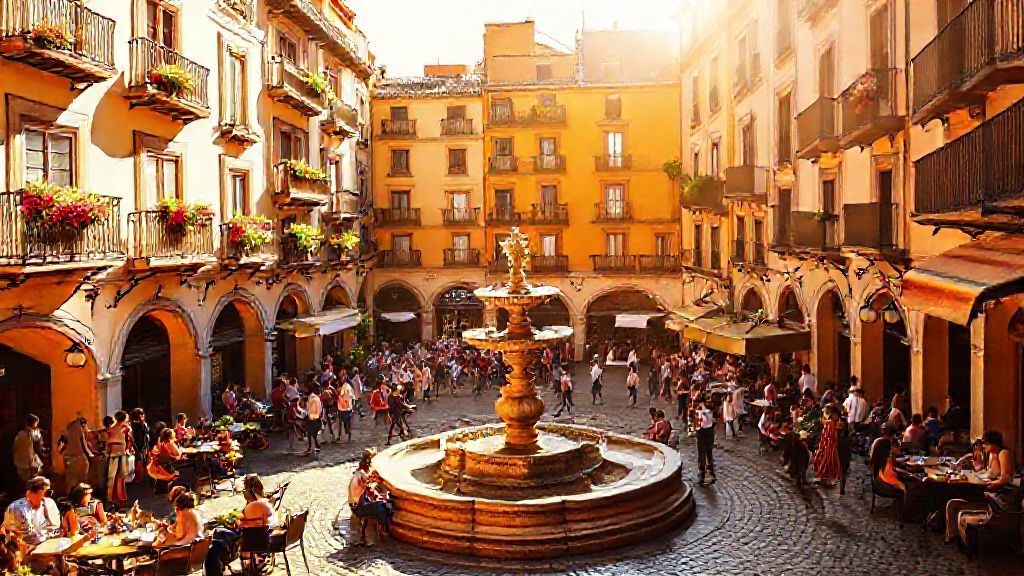
Moreover, Spanish culture is incredibly dynamic and alive. It’s in the passionate stomp of flamenco dancers, the lively chatter in a bustling tapas bar, the vibrant colors of a traditional festival, and the leisurely pace of life that encourages connection and enjoyment. Americans often find this open, expressive culture refreshing and invigorating, a stark contrast to the faster pace back home.
A Culinary Journey Like No Other (The Best Spanish Food)
Food is perhaps one of the biggest drawcards, and it’s no exaggeration to say that Spain is a foodie paradise. US tourists consistently rave about the country’s culinary landscape, and for good reason. Spanish cuisine is a delightful exploration of fresh, local ingredients, bold flavors, and diverse regional specialties. From the simple elegance of a perfectly cured jamón ibérico to the complex flavors of a seafood paella, and the delightful small plates known as tapas, every meal is an adventure. Discovering the best Spanish food isn’t just about eating; it’s about participating in a social ritual.
The communal dining experience, the late dinner hours, and the emphasis on fresh, high-quality ingredients often stand out. American palates, increasingly adventurous and appreciative of authentic global flavors, find themselves utterly charmed by the variety and quality of Spanish dishes. From Michelin-starred restaurants to humble, family-run taverns, the commitment to delicious food is universal.
The Warmth of Spanish Hospitality
Beyond the sights and tastes, it’s often the people that leave the most lasting impression. Spaniards are renowned for their warmth, friendliness, and vivacious spirit. While English isn’t universally spoken, especially outside major tourist hubs, locals often go out of their way to assist visitors. The genuine hospitality, coupled with the festive atmosphere that seems to permeate daily life, creates an inviting environment where US tourists feel welcome and eager to engage. This welcoming atmosphere is a significant part of why Americans love Spain so much.
When to Go: Finding Your Best Time to Visit Spain
Choosing the right time to visit can significantly enhance your Spanish adventure. Spain boasts diverse climates, meaning different seasons offer unique advantages depending on your preferences.
Spring (April-May): Ideal Weather & Festivals
Many consider spring the absolute best time to visit Spain. The weather is generally pleasant across the country, with comfortable temperatures perfect for sightseeing without the intense summer heat. Blossoming flowers add an extra layer of beauty to cities and landscapes. This season is also rich with cultural events, including Semana Santa (Holy Week) and the Feria de Abril in Seville, offering unparalleled cultural experiences Spain is known for.
Summer (June-August): Beaches & Bustle
Summer is peak season, especially along the coasts and islands. Expect hot temperatures, particularly in southern and central Spain (Madrid and Seville can be scorching). This is the time for beach holidays, vibrant nightlife, and outdoor festivals. While cities can be crowded and more expensive, the atmosphere is electric. If you’re looking for lively energy and beach relaxation, summer is your go-to.
Autumn (September-October): Harvest & Cooler Climes
Similar to spring, early autumn offers fantastic weather, especially in September. The intense summer heat subsides, making it comfortable for exploring. It’s also harvest season in many wine regions, providing unique opportunities for wine tasting tours. Crowds begin to thin out, and prices may become slightly more favorable. October still offers good weather in the south but can get cooler in the north.
Winter (November-March): City Breaks & Skiing
Winter brings cooler temperatures, especially in central and northern Spain, but it’s often mild and sunny in the south (e.g., Málaga). This is an excellent time for city breaks, enjoying museums without the crowds, and experiencing local life. Christmas and Three Kings’ Day celebrations are magical. Spain also boasts several excellent ski resorts in the Pyrenees and Sierra Nevada for winter sports enthusiasts.
Must-See Wonders: Top Attractions and Cultural Experiences Spain Offers
Spain is overflowing with iconic landmarks and immersive activities. Here’s a rundown of essential stops that showcase the diverse appeal of the country.
Madrid: Royal Grandeur and Artistic Masterpieces
As Spain’s vibrant capital, Madrid offers a sophisticated blend of classical and contemporary. It’s a city of grand boulevards, world-class museums, and lively nightlife.
- Prado Museum: Home to an unparalleled collection of European art, including masterpieces by Goya, Velázquez, and El Greco. A must for art lovers.
- Royal Palace: The official residence of the Spanish Royal Family (though primarily used for state ceremonies), it’s the largest functioning royal palace in Europe.
- Plaza Mayor & Puerta del Sol: These historic squares are the heart of Madrid, perfect for people-watching and soaking in the city’s energy.
- Parque del Retiro: An expansive and beautiful park, ideal for a leisurely stroll, a boat ride on the lake, or simply relaxing.
- Flamenco Shows: Madrid boasts some of the best flamenco tablaos in the country, offering intense and authentic cultural experiences Spain is known for.
Barcelona: Gaudi’s Modernist Marvels
Barcelona, the capital of Catalonia, is a city of distinct character, famous for its unique architecture, bustling markets, and Mediterranean beaches.
- Sagrada Familia: Antoni Gaudí’s unfinished basilica is a breathtaking architectural marvel, a UNESCO World Heritage site, and an absolute must-see.
- Park Güell: Another Gaudí masterpiece, this whimsical park offers stunning mosaic art, unique structures, and panoramic views of the city.
- Gothic Quarter (Barri Gòtic): Wander through narrow, winding streets, discover hidden plazas, and admire ancient Roman and medieval architecture.
- La Rambla: Barcelona’s most famous boulevard, stretching from Plaça de Catalunya to the Christopher Columbus Monument, teeming with street performers, flower stalls, and cafes.
- La Boqueria Market: A sensory overload of colors, sounds, and aromas, this historic market is the perfect place to sample fresh local produce and experience the vibrancy of local life.
Andalusia: Flamenco, Moorish Palaces, and Sunshine
Southern Spain’s Andalusia region is the embodiment of classic Spanish romance, known for its fiery flamenco, stunning Moorish architecture, and sun-drenched landscapes.
- Seville: The region’s capital, home to the magnificent Alcázar palace, the colossal Seville Cathedral (housing Columbus’s tomb and the Giralda tower), and the enchanting Plaza de España. Seville is also considered the birthplace of flamenco.
- Granada: Dominated by the awe-inspiring Alhambra, a sprawling complex of palaces and gardens, which stands as the pinnacle of Moorish art and architecture in Europe. Book tickets well in advance!
- Córdoba: Famous for its Mezquita-Cathedral, a breathtaking former mosque transformed into a cathedral, showcasing a mesmerizing blend of Islamic and Christian architectural styles. Don’t miss the charming Jewish Quarter and its flower-filled patios.
Beyond the Cities: Coastal Charms and Inland Escapes
Spain’s diversity extends far beyond its major metropolitan areas.
- Basque Country (Northern Spain): Explore the gastronomic delights of San Sebastián (renowned for its pintxos – Basque tapas) and the architectural marvels of Bilbao, home to the iconic Guggenheim Museum. This region offers a distinct culture and language (Basque).
- Valencia: Experience the futuristic City of Arts and Sciences, relax on urban beaches, and savor the birthplace of paella. It’s a fantastic blend of old and new.
- The Balearic Islands (Mallorca, Ibiza, Menorca): Perfect for beach lovers, offering crystal-clear waters, stunning coves, and vibrant nightlife (especially Ibiza).
- The Canary Islands: Located off the coast of Africa, these volcanic islands offer year-round sunshine, unique landscapes, and diverse outdoor activities.
Savoring Spain: A Guide to the Best Spanish Food
No trip to Spain is complete without fully immersing yourself in its culinary traditions. For US tourists, understanding and embracing Spanish dining culture is key to enjoying the best Spanish food.
Tapas Culture: Small Bites, Big Flavors
Tapas are more than just food; they’re a way of life. These small, savory dishes are meant to be shared, encouraging conversation and a leisurely pace. Hop from bar to bar, trying different specialties. Popular tapas include patatas bravas (potatoes with spicy sauce), gambas al ajillo (garlic shrimp), tortilla española (Spanish omelet), and various montaditos (small sandwiches). This is a quintessential Spanish cultural experience Spain offers and a fantastic way to sample a wide array of flavors without committing to a single large meal.
Regional Delights: Paella, Jamón, and More
While tapas are widespread, each region boasts its signature dishes:
- Paella: Originating from Valencia, this iconic rice dish comes in countless variations, typically featuring seafood, chicken, rabbit, or vegetables. Seek out authentic versions in Valencia for the true experience.
- Jamón Ibérico: Spain’s prized cured ham is a delicacy not to be missed. Enjoy it thinly sliced on its own, with cheese, or as part of a sandwich.
- Gazpacho & Salmorejo: Refreshing cold tomato soups, perfect for hot Andalusian days.
- Pulpo a la Gallega: Galicia’s famous octopus dish, boiled and seasoned with paprika, salt, and olive oil.
- Churros con Chocolate: A beloved breakfast or snack, fried dough pastries dipped in thick, hot chocolate.
Drink Like a Local: Wine, Sangria, and Coffee
Spain’s drink culture is just as rich. Sample world-class Spanish wines from regions like Rioja and Ribera del Duero. While popular with tourists, authentic Spanish sangria can be a delightful treat, especially in warmer months. For something unique, try tinto de verano (red wine with lemon soda). Coffee culture is also strong; ask for a café con leche (coffee with milk) in the morning or an espresso after dinner. And don’t forget the refreshing local beers!
Practical Spain Travel Tips US Tourists Need to Know
To ensure a smooth and enjoyable trip, here are essential Spain travel tips US citizens should keep in mind.
Getting Around: Public Transport & Rental Cars
Spain boasts an excellent and efficient public transportation network. High-speed AVE trains connect major cities rapidly and comfortably, though booking in advance can secure better prices. Regional trains and extensive bus networks cover other areas. Within cities, metros, buses, and trams are reliable and affordable. For exploring rural areas or specific coastal routes, renting a car offers flexibility, but be aware of narrow streets in old towns and parking challenges.
Language & Communication: Basic Spanish Phrases
While English is spoken in major tourist areas and by younger generations, especially in Barcelona and Madrid, knowing some basic Spanish phrases will greatly enhance your experience. A simple “Hola” (hello), “Gracias” (thank you), “Por favor” (please), “Cuánto cuesta?” (how much?), and “La cuenta, por favor” (the check, please) goes a long way. Download an offline translation app like Google Translate for added convenience.
Money Matters: Euros, Tipping, and ATMs
The currency in Spain is the Euro (€). ATMs are widely available, but be mindful of foreign transaction fees charged by your bank. Inform your bank of your travel plans to avoid card freezes. Credit and debit cards are accepted in most establishments, but always carry some cash for smaller purchases or markets.
Tipping culture in Spain is different from the US. While not obligatory, leaving a small tip (rounding up the bill or leaving 5-10% for excellent service) is appreciated, especially in restaurants and for taxi drivers. For tapas bars, leaving a few coins is common.
Safety & Health: Staying Savvy
Spain is generally a safe country for tourists. However, like any popular destination, be vigilant against pickpocketing, especially in crowded tourist areas like La Rambla in Barcelona or metro stations. Keep your valuables secure and out of sight. Tap water is safe to drink in most regions, but bottled water is readily available. Travel insurance is highly recommended for any unexpected medical emergencies or travel disruptions.
Navigating Local Customs: Siestas, Meal Times, and Etiquette
Embrace the Spanish rhythm of life! Many smaller shops and businesses observe a siesta in the afternoon (typically 2 PM to 5 PM), particularly outside major city centers. Dinner is eaten much later than in the US, often starting around 9 PM or 10 PM. Lunch (the main meal) is usually between 2 PM and 4 PM. Tipping your hat or acknowledging people when entering/leaving small shops or restaurants is a polite gesture. Dress comfortably but respectfully, especially when visiting religious sites.
Entry Requirements: Passports and Visas (for US Citizens)
US citizens do not need a visa for stays up to 90 days within any 180-day period in the Schengen Area (which includes Spain). You will need a valid passport that is valid for at least six months beyond your intended departure date from the Schengen Area. Starting in mid-2025, US citizens will need to apply for an ETIAS (European Travel Information and Authorisation System) authorization before traveling to the Schengen Area. Keep an eye on official government travel advisories for the latest updates.
Your Spain Trip Budget Breakdown: Plan Spain Trip Wisely
One of the most crucial aspects of any international adventure is understanding the costs involved. Here’s a detailed breakdown to help you plan Spain trip according to your budget.
Accommodation: From Hostels to Luxury Hotels
- Budget (Hostels, Guesthouses): Expect to pay €20-€40 per night for a dorm bed or a basic private room in a hostel or pension, especially outside peak season or in less touristy areas.
- Mid-Range (Boutique Hotels, 3-4 Star Hotels): €70-€150 per night. You can find comfortable and stylish accommodations in good locations.
- Luxury (5-Star Hotels, Paradores): €200+ per night. Spain offers exquisite luxury hotels and unique Paradores (historic buildings converted into hotels).
Food & Drink: Eating Out on Any Budget
- Budget: Enjoy hearty breakfast for €3-€5 (coffee and toast/pastry). A tapas crawl can cost €15-€25 per person for dinner, or a fixed-price lunch menu (menú del día) for €12-€18. Supermarkets offer great value for picnic lunches.
- Mid-Range: A sit-down dinner at a decent restaurant with wine might cost €30-€50 per person. More elaborate tapas or a few main dishes shared among friends.
- Luxury: Fine dining experiences, especially at Michelin-starred restaurants, can range from €80 to €200+ per person.
Transportation: Getting There and Around
- Flights from US: Prices vary wildly based on origin, destination, time of year, and how far in advance you book. Expect anywhere from $500 to $1200+ for a round trip economy ticket.
- Inter-city Trains (AVE): High-speed trains are efficient but can be pricey if not booked in advance. Madrid to Barcelona can be €40-€100+.
- Buses: Generally more affordable than trains for inter-city travel, costing €15-€40 depending on distance.
- City Public Transport: A single metro/bus ticket typically costs €1.50-€2.50. Multi-day passes or 10-ride tickets offer better value (€10-€15).
- Rental Car: From €25-€50 per day, plus fuel and tolls.
Activities & Sightseeing: Costs and Passes
- Major Attractions: Entry fees for museums, palaces, and cathedrals usually range from €10-€20 per person (e.g., Prado Museum, Alhambra). Some offer free entry on specific days/times.
- Guided Tours: Walking tours, food tours, or specialized museum tours can cost €25-€60+.
- Flamenco Show: Expect to pay €25-€40, often including a drink.
- City Passes: Many cities offer tourist cards (e.g., Madrid Tourist Card, Barcelona Card) that include free public transport and discounted/free entry to attractions. Evaluate if the savings outweigh the cost for your itinerary.
Sample Daily Budget Estimates
- Budget Traveler (€50-€80 per day): Staying in hostels, cooking some meals, eating menú del día, free walking tours, and minimal paid attractions.
- Mid-Range Traveler (€100-€200 per day): Staying in boutique hotels, eating out for most meals (mix of tapas and restaurants), a few paid attractions, and some inter-city travel.
- Luxury Traveler (€250+ per day): 5-star accommodations, fine dining, private tours, frequent taxi/private transport, and extensive sightseeing.
Remember, these are estimates. Your actual costs will depend on your travel style, how far in advance you book, and the specific regions you visit.
Conclusion: Your Spanish Adventure Awaits!
From the sun-drenched beaches of the Costa del Sol to the snowy peaks of the Pyrenees, and from the vibrant energy of Barcelona to the historic grandeur of Seville, Spain offers an unparalleled diversity of experiences that deeply resonate with US tourists. It’s the harmonious blend of rich history, passionate culture, welcoming people, and above all, the incredible best Spanish food that keeps Americans returning again and again. These comprehensive Spain travel tips US citizens can use will set you on the path to an extraordinary journey.
Whether you’re yearning for deep cultural experiences Spain is known for, eager to indulge in a culinary feast, or simply looking to soak up the unique Spanish way of life, your adventure awaits. So, start to plan Spain trip today and prepare to unlock the immense charm of this captivating European gem!
FAQ: Your Top Questions About Spain Travel for US Tourists Answered
Q: Do US citizens need a visa to travel to Spain?
A: No, US citizens do not need a visa for stays up to 90 days within any 180-day period in Spain, as it is part of the Schengen Area. However, beginning mid-2025, US travelers will need an approved ETIAS authorization before traveling.
Q: What’s the best way to get around Spain?
A: For inter-city travel, Spain has an excellent high-speed train network (AVE) connecting major cities quickly. Buses are a more economical option for longer distances. Within cities, public transport (metro, bus, tram) is efficient and affordable. Taxis and ride-sharing apps are also readily available.
Q: Is it necessary to speak Spanish to travel in Spain?
A: While not strictly necessary, knowing some basic Spanish phrases will significantly enhance your travel experience, especially outside major tourist hubs. Many Spaniards in tourist areas, hotels, and larger restaurants speak some English, but making an effort in Spanish is always appreciated.
Q: What are the typical meal times in Spain?
A: Meal times in Spain are generally later than in the US. Lunch, the main meal, typically runs from 2 PM to 4 PM. Dinner is usually enjoyed much later, often starting around 9 PM or 10 PM. Many restaurants may not even open for dinner before 8 PM.
Q: Is Spain expensive for US tourists?
A: Spain is generally considered more affordable than many other Western European countries, especially compared to the US. Your budget will depend on your travel style. Accommodation, food, and transport can be very reasonable, particularly if you opt for hostels, local eateries, and public transport. High-end experiences, however, can quickly add up.