Angola Awaits: Your New Visa-Free Travel Guide to Easy African Adventures for Americans
Are you an American traveler yearning for an authentic, off-the-beaten-path adventure without the usual visa hurdles? Prepare to seize a remarkable opportunity! The world of visa-free travel for Americans has just expanded, opening the doors to a captivating corner of Africa: Angola. No longer a distant dream tangled in complex paperwork, this vibrant nation has recently enacted new visa exemptions for US citizens, making it an incredibly accessible and appealing choice for your next international escapade.
Imagine yourself exploring dramatic lunar landscapes, standing before thunderous waterfalls, embarking on thrilling safaris, and soaking in the rich rhythms of a culture finding its voice on the global stage. Angola offers all this and more, now with unprecedented ease. This post will serve as your ultimate guide, helping you unlock an affordable, hassle-free international adventure that promises unforgettable memories. Get ready to discover why Angola is rapidly becoming one of the most exciting rising travel destinations on the continent.
Angola: Your Gateway to Untamed African Beauty
Nestled on the southwestern coast of Africa, Angola is a country of staggering natural beauty, rich history, and profound cultural depth. For decades, it remained largely off the international tourism radar, first due to its colonial past under Portuguese rule, and then a long and devastating civil war that ended in 2002. However, in the two decades since, Angola has embarked on a remarkable journey of recovery and development, slowly but surely opening its doors to the world.
Its recent decision, effective December 2023, to grant visa-free entry to US citizens for stays of up to 30 days (with a maximum of 90 days per year) is a game-changer. This makes it one of the easiest international destinations for Americans seeking a truly unique experience. Forget the bureaucratic headaches; now, your passport is your ticket to explore. This new visa exemption places Angola firmly on the map for those asking, where to travel without a visa for a truly different adventure.
Geographically, Angola is a land of striking contrasts. Its coastline boasts pristine, sun-drenched beaches, while inland, you’ll find everything from vast deserts in the south (home to unique desert-adapted wildlife) to lush rainforests in the north, and dramatic highlands in the central regions. The Kwanza River, one of Africa’s major waterways, carves its way through the landscape, creating fertile valleys and supporting diverse ecosystems.
Culturally, Angola is a melting pot of ethnic groups, each contributing to a vibrant tapestry of traditions, music, dance, and art. The influence of its Portuguese colonial past is evident in the architecture, language, and some culinary traditions, particularly in the capital, Luanda. Yet, underneath this veneer lies a resilient and spirited African soul, expressed through energetic music genres like Kuduro and Kizomba, and a deep appreciation for community and family.
This is not a country manicured for mass tourism; instead, it offers an authentic, raw, and deeply rewarding experience for the intrepid traveler. You’ll encounter genuine warmth from locals, witness breathtaking untouched landscapes, and delve into a history that is both poignant and inspiring. For Americans seeking easy international travel to an utterly distinctive destination, Angola is calling.
When to Discover Angola’s Charms: Best Time to Visit
Angola experiences two main seasons: a dry season and a wet season. The best time to visit largely depends on your priorities, but generally, the dry season is favored by most tourists for its pleasant weather and ease of travel.
The Dry Season: May to October
This period is widely considered the prime time to visit Angola. Characterized by cooler temperatures, lower humidity, and minimal rainfall, the dry season offers comfortable conditions for exploration across the country.
- Weather: Expect sunny days with average temperatures ranging from 60°F to 85°F (15°C to 30°C). Nights can be cooler, especially in inland and higher altitude areas.
- Activities: This is ideal for wildlife viewing, particularly in Kissama National Park, as animals congregate around water sources, making them easier to spot. Hiking, exploring waterfalls like Kalandula (though they might be slightly less powerful than in the wet season), and enjoying the beaches are all excellent during this time. The clearer skies are perfect for stargazing and photography.
- Travel: Road conditions are generally better, making inter-city travel smoother, especially to more remote attractions.
The Wet Season: November to April
While often overlooked, the wet season offers its own unique beauty and advantages, particularly for those who appreciate lush landscapes and fewer crowds.
- Weather: Temperatures are warmer and humidity is higher, often reaching 90°F (32°C) or more. Rainfall occurs, often in heavy but short-lived tropical downpours, usually in the late afternoon.
- Activities: Waterfalls, especially Kalandula Falls, are at their most voluminous and spectacular, thundering with immense power. The countryside transforms into a vibrant green, offering stunning photographic opportunities. Birdwatching is excellent as migratory birds arrive.
- Travel: Some remote dirt roads can become challenging or impassable due to mud, so careful planning and robust 4×4 vehicles are essential if venturing far off the main routes. Tourist numbers are lower, meaning more intimate experiences at popular sites.
Recommendation: For a first-time visitor looking for optimal weather and easier access to most attractions, the dry season (May to October) is generally the best choice. However, if you’re an experienced traveler seeking dramatic landscapes and aren’t deterred by occasional rain, the wet season can be incredibly rewarding.
Top Attractions: Unveiling Angola’s Hidden Gems
Angola is brimming with incredible sights, from bustling urban centers to breathtaking natural wonders. Here are some must-visit attractions that showcase the country’s diverse appeal.
Luanda: The Vibrant Capital
Angola’s capital, Luanda, is a dynamic and often surprising city. A fascinating mix of colonial-era architecture, modern skyscrapers, and bustling street life, it pulses with energy. Take a stroll along the Marginal de Luanda, the city’s scenic waterfront promenade, offering stunning views of the bay and a lively atmosphere. Explore the historic Fortress of São Miguel, a 16th-century Portuguese fortress providing panoramic views and housing a museum on Angola’s history. Visit the Mausoleum of Agostinho Neto, a towering monument dedicated to Angola’s first president. For a taste of local life and excellent seafood, head to Ilha do Cabo (Ilha de Luanda), a long sandspit lined with restaurants, bars, and beaches.
Kalandula Falls: Africa’s Second Largest
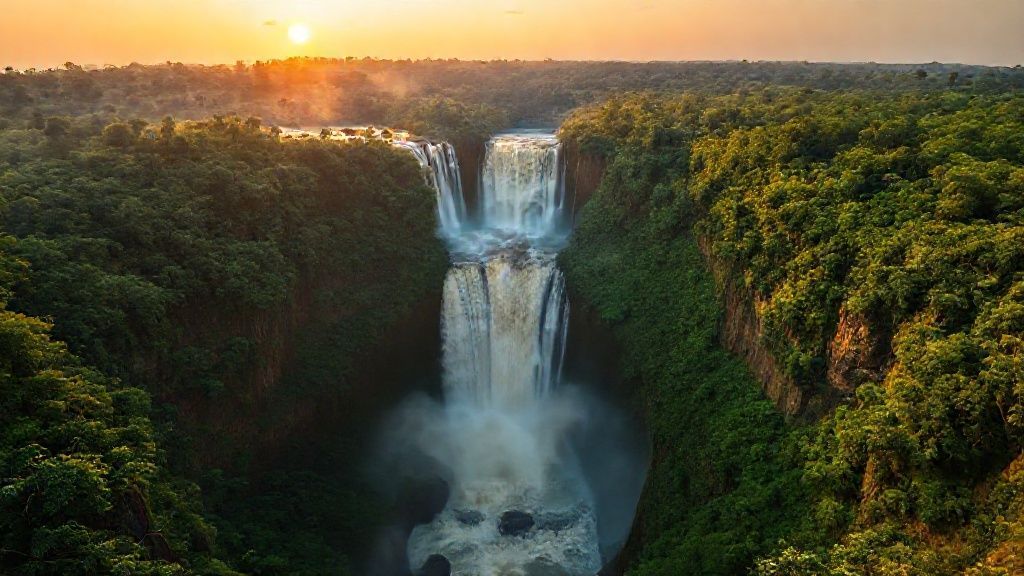
Prepare to be awestruck by the sheer power and beauty of Kalandula Falls. Located in Malanje province, these horseshoe-shaped falls are the second largest in Africa by volume (after Victoria Falls) and among the largest in the world. Cascading over a rugged escarpment into the Lucala River, the falls stretch for nearly a mile, creating a mesmerizing spectacle of mist and thunder. It’s a truly magnificent natural wonder, offering breathtaking views and incredible photo opportunities, making the journey to this relatively remote location absolutely worthwhile.
Miradouro da Lua (Moon Viewpoint): A Lunar Landscape
Just south of Luanda, along the road to Cabo Ledo, lies Miradouro da Lua, or the Moon Viewpoint. This geological marvel features a dramatic landscape of deeply eroded cliffs, gullies, and pillars sculpted by wind and rain over millennia. The result is an otherworldly, lunar-like panorama, with vibrant hues of red, orange, and brown clay. It’s particularly stunning at sunset when the changing light brings out the full spectrum of colors, offering a truly unique and memorable visual experience.
Kissama National Park: Wildlife Encounters
For wildlife enthusiasts, Kissama National Park (Quiçama National Park) is a highlight. Located just a short drive south of Luanda, it’s one of Angola’s most accessible national parks. Devastated during the civil war, Kissama has undergone a remarkable rehabilitation program, including reintroducing species like elephants, giraffes, zebras, and various antelopes. Embark on a traditional safari game drive or a boat safari along the Kwanza River, where you can spot hippos, crocodiles, and a rich diversity of birdlife. It’s a testament to Angola’s commitment to conservation and a fantastic opportunity for an African safari experience.
Benguela and Lobito: Coastal Retreats
Travel south along the coast to discover the charming cities of Benguela and Lobito. Benguela, with its tree-lined streets and well-preserved colonial architecture, offers a more relaxed pace than Luanda. Nearby, Lobito is famous for its unique sandspit, known as Restinga, which extends into the Atlantic and is home to beautiful beaches, excellent seafood restaurants, and a bustling port. These cities provide a wonderful opportunity to unwind by the ocean, enjoy fresh seafood, and soak in some Angolan history and culture away from the capital’s bustle.
Tunda Vala Fissure: A Geological Marvel
Located in the Huíla province, near the city of Lubango, the Tunda Vala Fissure is another spectacular natural wonder. This dramatic escarpment offers dizzying views over a vast, seemingly endless expanse of plains below. Often shrouded in mist in the mornings, the fissure presents a mystical and awe-inspiring vista. It’s a fantastic spot for hiking and photography, providing a sense of immense scale and the raw, untamed beauty of Angola’s interior.
Local Tips for an Authentic Angolan Adventure
To truly embrace your Angolan journey and ensure a smooth, enriching experience, consider these local tips.
Embrace the Cuisine
Angolan food is a delicious fusion of African and Portuguese flavors. Don’t leave without trying Muamba de Galinha, a rich chicken stew cooked with palm oil, okra, and chili, often served with Funge (a thick, gelatinous porridge made from cassava or corn flour). Other staples include Calulu (a fish or meat stew with vegetables), and an abundance of incredibly fresh seafood, especially along the coast. Don’t shy away from street food stalls in busier areas for authentic, affordable tastes, but choose reputable vendors.
Learn Basic Portuguese Phrases
While some English might be spoken in major hotels and by tour operators in Luanda, Portuguese is the official language and widely spoken throughout the country. Learning a few basic phrases will go a long way in showing respect and making interactions smoother. Simple greetings like “Olá” (Hello), “Obrigado/Obrigada” (Thank you – male/female), “Por favor” (Please), and “Desculpe” (Excuse me/Sorry) will be greatly appreciated.
Safety & Health
Like any major international travel, it’s crucial to prioritize safety and health. Be aware of your surroundings, especially in crowded areas of Luanda, and avoid walking alone at night. Keep valuables out of sight. Most importantly, a Yellow Fever vaccination certificate is mandatory for entry into Angola, and you must carry proof. It’s also highly recommended to take malaria prophylaxis and use insect repellent, especially outside Luanda. Drink only bottled water and be mindful of food hygiene. Consult your doctor or a travel clinic well in advance of your trip for necessary vaccinations and health advice.
Transportation
In Luanda and other major cities, taxis are available, but ensure you agree on a price before starting your journey. Candongueiros (shared taxis, usually blue and white vans) are a common and very affordable way to get around locally, but they can be crowded and navigate chaotic traffic. For inter-city travel, relatively comfortable bus services connect major towns. However, for exploring national parks and more remote attractions, hiring a private car with a driver or joining organized tours is often the most convenient and safest option, as road conditions can vary significantly.
Currency & Payments
The local currency is the Angolan Kwanza (AOA). While major hotels in Luanda might accept credit cards, cash is king, especially outside the capital. ATMs are available in cities but can be unreliable. It’s advisable to carry a sufficient amount of cash in AOA for daily expenses. US Dollars (USD) and Euros (EUR) are widely accepted for exchange at official cambio (exchange) offices or banks.
Cultural Sensitivity
Angolans are generally friendly and welcoming. Dress modestly outside of beach areas as a sign of respect. When taking photos of people, always ask for permission first. A warm greeting and a genuine smile can open many doors. Be patient; things often move at a slower pace in Angola.
Unlocking Your Angolan Adventure: A Budget Breakdown
One of the appealing aspects of Angola as a new visa-free destination is its potential for a more affordable African adventure compared to traditional, high-end safari countries. While Luanda can be surprisingly expensive, venturing outside the capital offers excellent value. Here’s a general budget breakdown to help you plan your Angolan escape.
Flights
Flights are often the most significant expense. Round-trip flights from major US hubs (e.g., New York, Houston, Los Angeles) to Luanda (LAD) can range from $1000 to $1800+, depending on the season, how far in advance you book, and your departure city. Look for deals from major carriers like TAP Air Portugal, Ethiopian Airlines, or TAAG Angola Airlines.
Accommodation
- Budget (Guesthouses, Basic Hotels): Outside Luanda, you can find simple but clean guesthouses for $30-$70 per night. In Luanda, budget options start from $70-$120 per night, often for very basic amenities.
- Mid-Range (Comfortable Hotels): Expect to pay $120-$250 per night for a comfortable hotel with good facilities in Luanda, or a decent guesthouse/lodge outside the capital.
- Luxury (High-end Hotels, Resorts): Primarily found in Luanda, luxury accommodations can easily range from $250-$500+ per night.
Food
- Street Food & Local Eateries: Enjoy delicious local meals for $5-$15 per plate. This is where you’ll find the most authentic and affordable flavors.
- Mid-Range Restaurants: A meal in a decent restaurant in a city might cost $20-$40 per person.
- Fine Dining: In Luanda, high-end restaurants can easily set you back $50-$100+ per person, especially for international cuisine.
Activities & Tours
- National Park Entry Fees: Entry fees for places like Kissama National Park are typically modest, often around $10-$20.
- Safari Tours: A day trip safari to Kissama, including transport from Luanda and park fees, might cost $150-$250+ per person, especially if it’s a small group or private tour.
- Other Attractions: Most other natural sites like Miradouro da Lua or Tunda Vala have minimal or no entry fees. Historic sites or museums might charge $5-$15.
- Multi-day Guided Tours: For comprehensive exploration of the interior, expect to pay $200-$400+ per day per person, which typically includes transport, guide, accommodation, and some meals.
Local Transportation (Daily Estimate)
- Shared Taxis (Candongueiros): Extremely cheap, a few dollars for a ride.
- Private Taxis in City: $10-$30 per day for multiple short trips within a city.
- Car with Driver: Hiring a private vehicle with a driver for a day of sightseeing outside a city can range from $100-$200+, depending on distance and duration.
Overall Daily Budget Estimate (Excluding International Flights)
- Budget Traveler: $80-$150 per day (staying outside Luanda often, utilizing local transport and food).
- Mid-Range Traveler: $150-$300 per day (comfortable hotels, mix of local and mid-range dining, some guided tours).
- Luxury Traveler: $300-$500+ per day (high-end accommodation, fine dining, private tours and transport).
While Luanda can be pricey, the affordability of experiences and accommodation in other regions makes Angola a very attractive option for budget travel in Africa, especially now with its new visa exemptions.
Why Angola Should Be Your Next Visa-Free Destination
Angola stands as a testament to resilience, beauty, and untold adventure. Its recent opening up for visa-free travel Americans isn’t just a minor policy change; it’s an invitation to explore a truly untouched part of the world. From the pulsating energy of Luanda to the serene beauty of its untamed landscapes and the warmth of its people, Angola offers a travel experience unlike any other.
It’s a destination that promises genuine discovery, where you can witness raw natural power at Kalandula Falls, contemplate otherworldly formations at Miradouro da Lua, or embark on a meaningful safari in Kissama National Park. This isn’t just an easy international travel option; it’s an opportunity to immerse yourself in a culture that is both ancient and rapidly evolving, all without the previous visa complexities.
For those asking where to travel without a visa for a truly unique and transformative experience, Angola is your answer. Seize this incredible opportunity to be among the first to rediscover this magnificent African gem. Start planning your Angolan adventure today and unlock a world of hassle-free, unforgettable memories!
Frequently Asked Questions (FAQs)
Is Angola safe for US travelers?
Angola is generally safe for travelers, but like any major international destination, it requires common-sense precautions. Petty crime, such as pickpocketing, can occur, especially in crowded urban areas like Luanda. It’s advisable to be aware of your surroundings, avoid walking alone at night, and keep valuables out of sight. It’s always a good idea to check the latest U.S. State Department travel advisories before your trip.
Do I need any vaccinations for Angola?
Yes, a Yellow Fever vaccination is *mandatory* for entry into Angola, and you must carry proof of vaccination (your Yellow Card). Additionally, malaria is prevalent in many parts of the country, so malaria prophylaxis is highly recommended. Other recommended vaccinations may include Hepatitis A, Typhoid, and routine vaccinations. It’s crucial to consult a travel doctor or health clinic at least 4-6 weeks before your trip to discuss all necessary vaccinations and health precautions.
What language is spoken in Angola?
The official language of Angola is Portuguese. While indigenous languages such as Umbundu, Kimbundu, and Kikongo are also widely spoken, particularly outside of urban centers, Portuguese serves as the lingua franca. English is generally not widely spoken, except in major hotels, some tourist services, and by educated professionals in Luanda. Learning a few basic Portuguese phrases will significantly enhance your experience.
Can I use US dollars in Angola?
The official currency of Angola is the Angolan Kwanza (AOA). While US Dollars (USD) or Euros (EUR) are widely accepted for exchange at official banks and exchange bureaus, and sometimes in upscale establishments in Luanda, they are not universally accepted for daily transactions. It is highly recommended to exchange your foreign currency into Kwanza for most purchases, especially outside the capital. ATMs are available in major cities, but credit card acceptance can be limited, so carrying cash is advisable.
What is the best way to get around Angola?
In cities, shared taxis (candongueiros) are the most common and affordable mode of transport, though they can be crowded. Private taxis are also available but agree on the fare beforehand. For inter-city travel, bus services connect major towns, offering varying levels of comfort. For exploring national parks, remote natural attractions, or if you prefer convenience and safety, hiring a private vehicle with a driver or booking organized tours is highly recommended. Road conditions vary significantly, and a 4×4 vehicle is often necessary for venturing off main routes.