
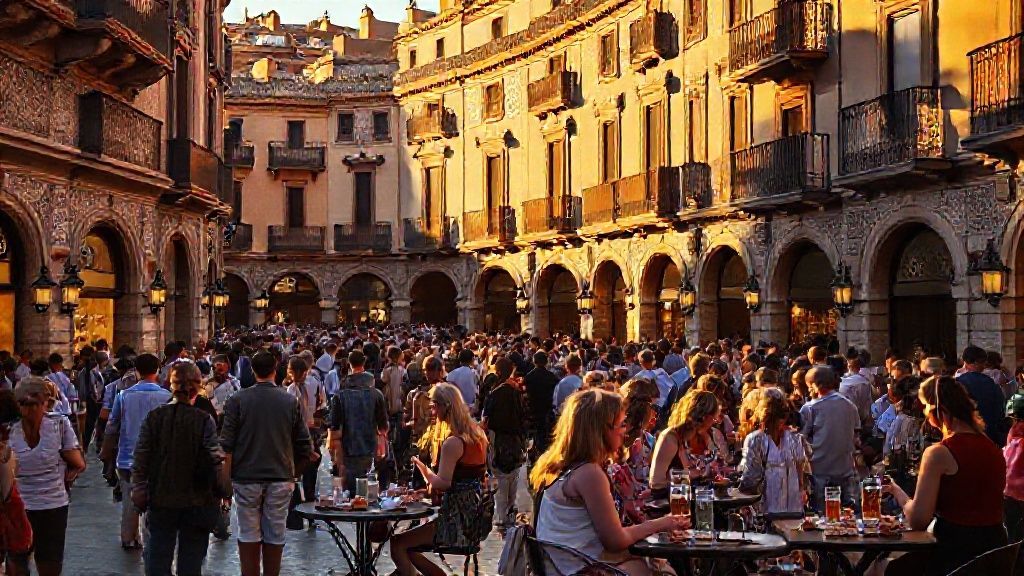
For decades, Spain has held a magnetic allure for travelers, often conjuring images of flamenco dancers, bullfights, and sun-drenched beaches. While these iconic elements certainly form part of its vibrant tapestry, a new wave of American tourists is discovering something deeper: the authentic soul of Spain, interwoven with a culinary scene that’s simply irresistible. This isn’t just a trip; it’s an immersion. Our comprehensive Spain travel guide dives deep into why so many US tourists Spain visits are turning into lifelong love affairs, far beyond the traditional postcards. Get ready to explore a nation where every meal is a celebration, every cobblestone street whispers history, and every interaction offers a glimpse into a rich, welcoming culture. From vibrant city life to tranquil villages, prepare to fall in love with Spain’s genuine warmth and incredible flavors.
Beyond Tapas & Flamenco: Why Spain Captivates American Hearts
While the lively rhythms of flamenco and the communal joy of tapas bars are undeniably Spanish, they are but threads in a much richer fabric. American travelers are increasingly drawn to Spain’s profound sense of heritage, its regional diversity, and a way of life that prioritizes connection and enjoyment. It’s a land where ancient Roman ruins stand beside modern art museums, where Moorish palaces whisper tales of empires past, and where a siesta is not just a nap, but a testament to a balanced approach to life. The genuine warmth of the Spanish people, their passion for life, and a deep-seated pride in their traditions create an atmosphere that is both invigorating and deeply comforting. This authentic encounter with `cultural experiences Spain` is what transforms a simple vacation into a profound personal journey, making it a standout destination for US tourists Spain chooses to explore beyond the usual.
Savoring Spain: A Journey Through Irresistible Cuisine
Forget everything you thought you knew about Spanish food; preparing to embark on a gastronomic adventure that will redefine your palate. Spain’s cuisine is a passionate reflection of its diverse geography, history, and people, offering a symphony of flavors that are both rustic and refined. It’s no wonder that sampling the `best Spanish food` is often cited as a top reason for visiting.
The Tapas Tradition: More Than Just Small Plates
Tapas are more than appetizers; they are a way of life, a social ritual embedded in the Spanish psyche. Hopping from one bar to another, sharing small dishes, and enjoying a caña (small beer) or a glass of local wine, is an essential `cultural experience Spain` offers. From simple olives and jamón serrano to elaborate patatas bravas, gambas al ajillo (garlic shrimp), and croquetas, each region, and often each bar, has its specialty. This communal eating style encourages conversation, spontaneity, and a genuine connection with the local scene. It’s about taste, yes, but also about the shared moment, making it an incredible entry point for US tourists Spain newcomers.
Regional Delights: Paella, Jamón, and Beyond
Venture beyond tapas, and you’ll discover an incredible array of regional specialties. Valencia is the birthplace of paella, and tasting an authentic, wood-fired paella de marisco or paella mixta there is a revelation. Andalusia boasts exquisite fried fish, gazpacho, and salmorejo. Catalonia offers hearty escudella and botifarra. The Basque Country, particularly San Sebastián, is a mecca for foodies, renowned for its Michelin-starred restaurants and the vibrant pintxos culture (tapas’ more elaborate, artful northern cousin).
And then there’s jamón ibérico – Spain’s prized cured ham. A visit to Spain is incomplete without savoring this intensely flavorful delicacy, often carved paper-thin right before your eyes. From the nutty, robust olive oils of Andalusia to the artisanal cheeses from Castile-La Mancha, the fresh seafood from the coast, and the rich stews of the interior, the `best Spanish food` offers endless exploration.
Sweet Endings and Coffee Culture
Spanish desserts, while perhaps less globally famous than their savory counterparts, are equally delightful. Churros with chocolate are a classic, especially for breakfast or a late-night treat. Torrijas (Spanish French toast) during Easter, polvorones and turrones around Christmas, and the ubiquitous flan or crema catalana are essential sweet experiences. And don’t forget the vibrant coffee culture; from a strong café solo to a milky café con leche, coffee breaks are a cherished part of the day, offering another authentic `cultural experience Spain` has perfected.
Immerse Yourself: Authentic Cultural Experiences in Spain
Beyond the plate, Spain’s culture is a living, breathing entity, a vibrant mosaic of traditions, history, and artistic expression waiting to be explored by US tourists Spain welcomes with open arms.
Festivals and Fiestas: A Vibrant Tapestry
Spain lives through its festivals. Experiencing a local fiesta is perhaps the most profound `cultural experience Spain` has to offer. From the fiery Fallas in Valencia to the joyous Semana Santa (Holy Week) processions across Andalusia, the lively ferias of Seville, or the lesser-known but equally passionate village celebrations, these events are not mere spectacles but deep expressions of community, faith, and history. Plan your Spain itinerary around one of these, and you’ll witness the Spanish soul in full bloom.
Art, Architecture, and History: From Gaudi to the Moors
Spain’s artistic and architectural legacy is monumental. In Barcelona, the fantastical creations of Antoni Gaudí, like the Sagrada Família and Park Güell, are a visual feast. Madrid boasts world-class art museums – the Prado, Reina Sofía, and Thyssen-Bornemisza – housing masterpieces by Goya, Velázquez, Picasso, and Dalí.
Journey south, and you step back into a golden age. The intricate Alhambra Palace in Granada, the Mezquita-Cathedral in Córdoba, and the Alcázar of Seville are stunning testaments to Moorish and Mudejar artistry, offering unparalleled `cultural experiences Spain` presents from its diverse history. Roman aqueducts in Segovia and ancient ruins across the country speak to even older civilizations.
Flamenco’s Soul and Sevillanas’ Grace
Flamenco is more than music and dance; it is a profound expression of emotion, born from the heart of Andalusia. While tourist shows abound, seeking out a tablao in Seville or Granada, where the cante (singing), toque (guitar), and baile (dance) coalesce into an intense, improvised performance, is an unforgettable `cultural experience Spain` deeply cherishes. Beyond flamenco, look for Sevillanas, a more social and lighter form of dance often seen at ferias, showcasing Spanish joy.
The Siesta and Paseo: Embracing Spanish Rhythms
To truly immerse yourself, embrace the Spanish pace. The traditional siesta, though less strictly observed in big cities, still influences daily rhythms, with many shops closing in the early afternoon. Even more pervasive is the *paseo*, the evening stroll, where families and friends gather in town squares, socialize, and simply enjoy life. Joining the *paseo* in a local plaza, perhaps with an ice cream or a drink, is a simple yet deeply authentic `cultural experience Spain` offers, letting you feel like a local rather than just a visitor.
Crafting Your Dream Spain Itinerary
Designing the perfect `Spain itinerary` requires balancing diverse interests with practical logistics. Here’s how to plan an unforgettable journey.
Best Time to Visit Spain: Seasons and Celebrations
Choosing the `best time to visit Spain` depends on your priorities:
- Spring (April-May): Generally considered the ideal time. Pleasant temperatures, blooming landscapes, and vibrant festivals like Semana Santa and Seville’s Feria de Abril. Perfect for city exploration and outdoor activities.
- Fall (September-October): Another excellent choice. Temperatures are mild, crowds begin to thin, and the harvest season brings unique culinary experiences. Ideal for wine regions and southern Spain.
- Summer (June-August): Popular for beach holidays and festivals but can be very hot, especially in the south and interior. Cities like Madrid and Seville can be scorching. Coastal areas and northern Spain (Basque Country, Galicia) are more comfortable. Book well in advance.
- Winter (November-March): Mild in the south, colder in the central and northern regions. Great for skiing in the Pyrenees or Sierra Nevada, exploring cities without the crowds, and enjoying Christmas markets.
Top Destinations & Must-See Attractions
No `Spain itinerary` is complete without visiting some of its iconic cities:
- Madrid: The bustling capital. Don’t miss the Royal Palace, Prado Museum, Retiro Park, and vibrant nightlife.
- Barcelona: Gaudí’s masterpiece city. Sagrada Família, Park Güell, Gothic Quarter, and sun-drenched beaches.
- Andalucía: The heart of southern Spain.
- Seville: Alcázar, Seville Cathedral (with Giralda Tower), Plaza de España, and authentic flamenco shows.
- Granada: The breathtaking Alhambra Palace and the charming Albayzín district.
- Córdoba: The Mezquita-Cathedral and its enchanting Patio de los Naranjos, plus the famous Patios festival in May.
- Valencia: Birthplace of paella, home to the futuristic City of Arts and Sciences, and beautiful beaches.
- Basque Country: For foodies and culture lovers. San Sebastián (pintxos, beaches) and Bilbao (Guggenheim Museum).
Sample Itineraries for US Tourists Spain Explores
- 7-Day Culture & Cuisine: Fly into Madrid (3 days), take a high-speed train to Seville (4 days), exploring flamenco, Alcázar, and tapas.
- 10-Day Northern Charm: Start in Barcelona (4 days), then fly to Bilbao (2 days for Guggenheim), and finally San Sebastián (4 days for pintxos and beaches).
- 14-Day Grand Tour: Begin in Madrid (3 days), train to Seville (3 days), bus/train to Granada (2 days for Alhambra), then fly to Barcelona (4 days), adding a day trip to Montserrat.
These are just starting points for your ideal `Spain itinerary`. Tailor it to your interests, be it more time on the coast, exploring vineyards, or hiking in national parks.
Local Tips for American Travelers in Spain
To make your experience even smoother and more enriching, here are some local insights specifically for `US tourists Spain` embraces.
Language Basics Go a Long Way
While many Spaniards in tourist areas speak English, learning a few basic Spanish phrases will significantly enhance your interactions. ‘Hola’ (hello), ‘Gracias’ (thank you), ‘Por favor’ (please), ‘Lo siento’ (I’m sorry), ‘¿Cuánto cuesta?’ (How much does it cost?), and ‘La cuenta, por favor’ (The bill, please) will be invaluable. Locals appreciate the effort!
Embrace Spanish Meal Times
Spanish eating schedules are later than in the US. Lunch (la comida) is typically between 2 PM and 4 PM, and dinner (la cena) rarely starts before 9 PM, often later. Many restaurants close between lunch and dinner service. Plan accordingly, and don’t be surprised if restaurants are empty before 8 PM. Tapas bars, however, are often open for drinks and small bites earlier.
Master Public Transportation
Spain boasts an excellent and affordable public transportation system. High-speed trains (AVE) connect major cities efficiently. Within cities, metros, buses, and trams are reliable. Consider purchasing a multi-day pass or a T-10 card in cities like Barcelona for savings. Renting a car is best for exploring rural areas, but driving and parking in cities can be challenging.
Safety and Awareness
Spain is generally a safe country. However, like any popular tourist destination, pickpocketing can be an issue, especially in crowded areas (metros, tourist attractions, markets) in big cities like Barcelona and Madrid. Be vigilant, keep your belongings secure, and avoid flashing expensive items. Use common sense, especially at night.
Embrace the Pace, Enjoy the Present
Spaniards prioritize enjoying the moment. Service might seem slower than you’re used to, but it’s rarely rude; it’s just a different pace. Don’t rush your meals or interactions. Savor the experience, relax, and soak in the atmosphere. This is a crucial `cultural experience Spain` offers – a lesson in mindfulness.
Tipping Culture
Tipping in Spain is much less prevalent and expected than in the US. For casual meals or drinks, leaving small change (a euro or two) is customary. In nicer restaurants, if service has been exceptional, a 5-10% tip is appreciated but not mandatory. Rounding up the bill is also common.
Connectivity
Purchasing a local SIM card (e.g., from Vodafone, Orange, Movistar, Yoigo) upon arrival is an affordable way to stay connected with data and calls. Wi-Fi is widely available in hotels, cafes, and many public spaces.
Budgeting for Your Spanish Adventure
Planning your finances is key to an enjoyable `Spain itinerary`. While Spain can be a very affordable European destination, costs can vary significantly based on your travel style and preferences. Here’s a general breakdown.
Flights: When to Book and How to Save
Flights are often the largest expense for `US tourists Spain` bound.
- Booking Window: Aim to book international flights 3-6 months in advance for the best fares, especially if traveling during peak season (summer, major festivals).
- Flexibility: Being flexible with your travel dates and choosing to fly mid-week can lead to significant savings.
- Layover Cities: Consider flying into major European hubs (e.g., London, Paris, Amsterdam) and then taking a budget carrier (like Vueling, Ryanair, EasyJet) to your final Spanish destination for potential savings, though this adds complexity.
Accommodation: From Hostels to Boutique Hotels
Spain offers a wide range of accommodation options:
- Budget (Hostels/Guesthouses): €20-€50 per night for a dorm bed or basic private room. Excellent for solo travelers or those on a tight budget.
- Mid-Range (Boutique Hotels/Apartments): €70-€150 per night. You can find beautiful, well-located hotels or spacious Airbnb apartments.
- Luxury (High-end Hotels/Paradores): €180+ per night. Spain boasts stunning luxury hotels and *Paradores* (historic state-run hotels, often in castles or monasteries).
Prices will be higher in major cities (Madrid, Barcelona) and during peak season.
Food & Drink: Eating Like a Local
This is where Spain shines for budget travelers seeking the `best Spanish food`.
- Breakfast: €3-€7 for coffee and a pastry/tostada.
- Tapas Lunch: €10-€20 per person for a satisfying array of tapas and drinks. Look for `menú del día` (set lunch menu) for €12-€18, offering incredible value.
- Dinner: €20-€40+ for a sit-down meal with wine. If you stick to tapas, it can be similar to lunch.
- Groceries: Around €30-€50 per week if you cook some meals, especially in apartments.
- Drinks: A beer (caña) can be €2-€4, a glass of wine €3-€5.
Activities & Attractions: Passes and Free Options
- Major Attractions: Entry fees typically range from €10-€30 (e.g., Alhambra, Sagrada Família, Prado). Book popular attractions online in advance to save time and sometimes money.
- City Passes: Consider city-specific passes (e.g., Madrid Card, Barcelona Card) if you plan to visit many museums and attractions. Do the math to see if it saves you money.
- Free Options: Many museums offer free entry on certain days or evenings. Parks, plazas, and simply wandering through charming neighborhoods are free and offer profound `cultural experiences Spain` provides.
Transportation Costs
- Inter-city trains (AVE): Can be expensive if not booked in advance (€40-€100+ for Madrid-Barcelona). Regional trains and buses are cheaper.
- City Public Transport: Single tickets are around €1.50-€2.50. Multi-trip cards are more economical.
- Taxis/Ride-sharing: More expensive, use for convenience or late nights.
Sample Daily Budget Estimates
- Budget Traveler: €50-€80 per day (hostel, self-catering/cheap tapas, free activities).
- Mid-Range Traveler: €100-€180 per day (boutique hotel/apartment, `menú del día`, some paid attractions, moderate dinners).
- Luxury Traveler: €250+ per day (high-end hotel, fine dining, private tours).
Remember to factor in personal shopping, souvenirs, and unexpected expenses. A well-planned `Spain itinerary` ensures you enjoy every moment without financial stress.
Conclusion: Your Spanish Journey Awaits
From the sun-drenched beaches of the Mediterranean to the historic grandeur of its imperial cities, Spain offers an unparalleled depth of experience for US tourists Spain welcomes. It’s a land where the aroma of the `best Spanish food` beckons from every corner, where ancient traditions blend seamlessly with modern life, and where every smile is genuinely warm. This `Spain travel guide` has aimed to peel back the layers, revealing why the country’s authentic culture and irresistible cuisine are truly captivating hearts worldwide. Whether you’re planning your first `Spain itinerary` or returning for another dose of its magic, prepare to be charmed, delighted, and utterly swept away. Your Spanish adventure, filled with unforgettable `cultural experiences Spain` has perfected, awaits!
Frequently Asked Questions About Spain Travel
Q: Is Spain expensive for American tourists?
A: Spain is generally more affordable than many Western European countries, especially compared to the US. While major cities like Madrid and Barcelona can be pricier, you can travel on a mid-range budget (€100-€180/day) and enjoy great food, accommodation, and attractions. Opting for hostels, local eateries (menú del día), and public transport can make it very budget-friendly (around €50-€80/day).
Q: Do I need to speak Spanish to travel in Spain?
A: While knowing some basic Spanish phrases is always appreciated and enhances your experience, it’s not strictly necessary, especially in major tourist areas and cities. Many people in the hospitality industry speak English. However, venturing into smaller towns or rural areas, English proficiency might be limited, so having a translation app can be helpful.
Q: What are the must-try dishes for first-time visitors?
A: Absolutely! Don’t leave Spain without trying authentic paella (especially in Valencia), jamón ibérico, patatas bravas, churros with chocolate, and a variety of tapas (like gambas al ajillo, croquetas). Regional specialties like gazpacho (Andalusia) or pintxos (Basque Country) are also highly recommended to experience the `best Spanish food`.
Q: Is it safe for US tourists to travel to Spain?
A: Spain is a very safe country with low crime rates. The biggest concern for tourists is typically petty crime like pickpocketing, especially in crowded tourist areas of big cities. Be aware of your surroundings, secure your belongings, and use common sense, just as you would in any major city worldwide. Serious crime is rare.
Q: What is the best way to get around Spain?
A: Spain boasts an excellent and efficient public transport network. For inter-city travel, high-speed trains (AVE) are fast and comfortable, connecting major destinations. Buses are a more affordable alternative for both short and long distances. Within cities, metros and local buses are clean, reliable, and easy to navigate. Renting a car is best for exploring rural areas or specific regions like Andalusia or the Basque Country at your own pace.